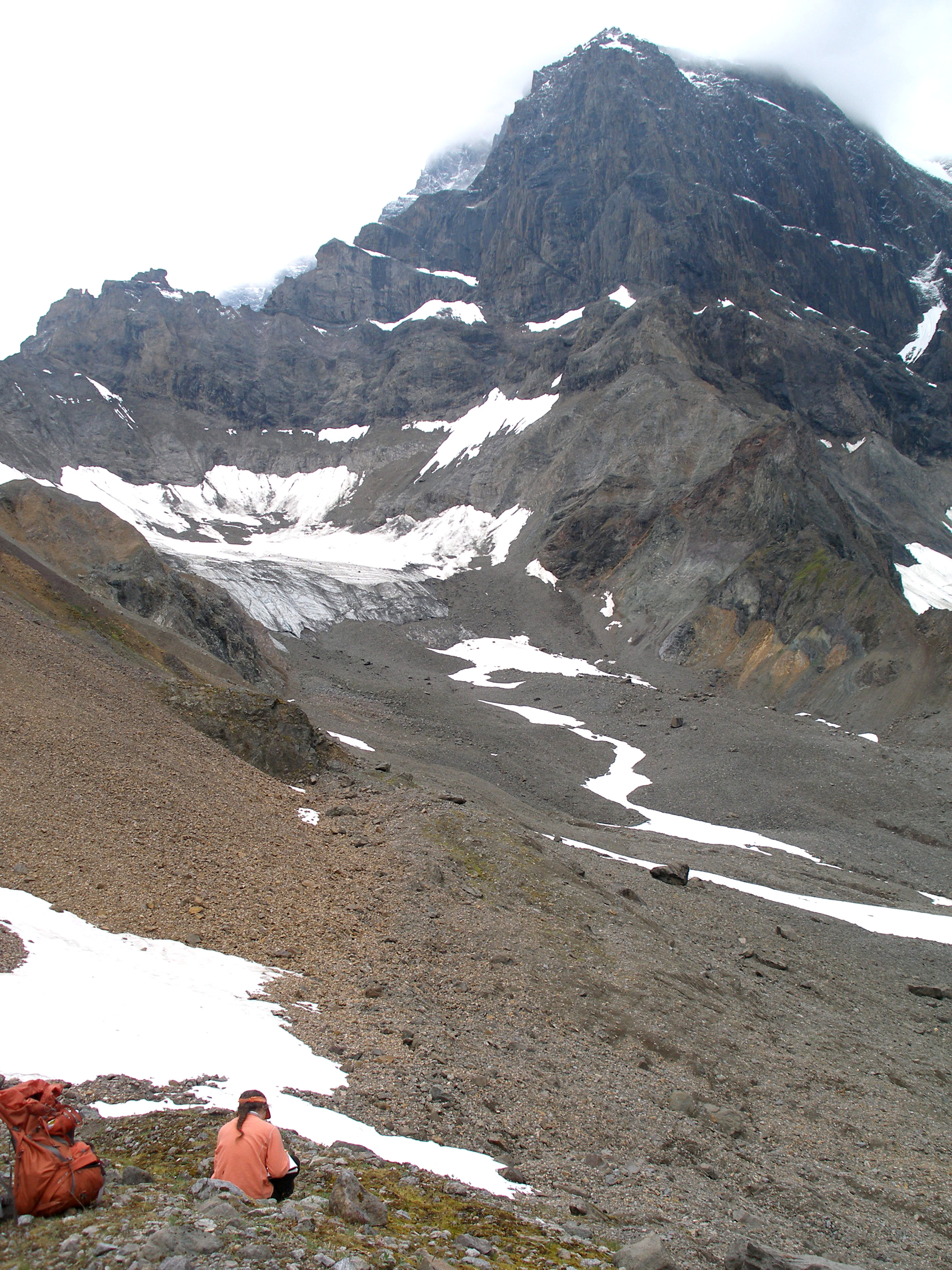
I live, learn, teach and write in Alaska’s Wrangell Mountains. Glaciers, forests, rocks, and people’s lives here continually raise questions about how the world changes—and how we understand and participate in those changes.
My half-century of work brings together natural history, field education, wildlands policy, and philosophical inquiry. It grows from places and experiences: observing a rock beside a glacier, following how plants grow onto newly exposed ground, considering a decision about access to wild country. Such encounters lead into questions of time, relationship, stability, and transformation.
I am interested in how observation, scientific investigation, art, and contemplative practice contribute to understanding. Connections among them can open new questions and ways of seeing. Following those connections requires care, remaining attentive to what experience and evidence support or question an appealing idea.
This site gathers writing, teaching resources, publications, and inquiries in progress. I welcome conversation with people whose experience or scholarship can extend—or challenge—what is here.
Explore the site
The Wrangells
Natural history and landscape change in the Wrangell Mountains, with connections to field teaching and the experience of living here.
Field Studies
For prospective students, families, and faculty advisors: the Wrangell Mountains Field Studies program’s website describes its approach, faculty, and opportunities to participate.
Wildlands Policy and Advocacy
Work on conservation, public decisions, and the challenges of sustaining wild places.
Publications
Books, articles, presentations, teaching materials, and policy documents.
Blog
Notes, essays, and questions arising from my work and reading, including earlier entries that remain part of my ongoing inquiry.
Change and Ways of Knowing
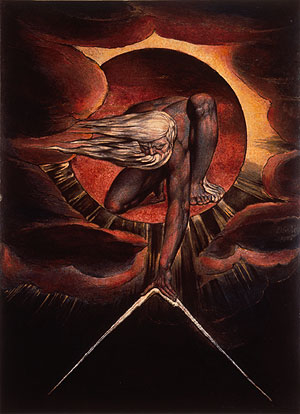
Two starting points for the inquiry behind this website: the Deborah number, introduced to us by glaciologist Ed LaChapelle, and Dōgen’s Mountains and Waters Discourse.
About me
My background in field education, conservation, writing, and inquiry.


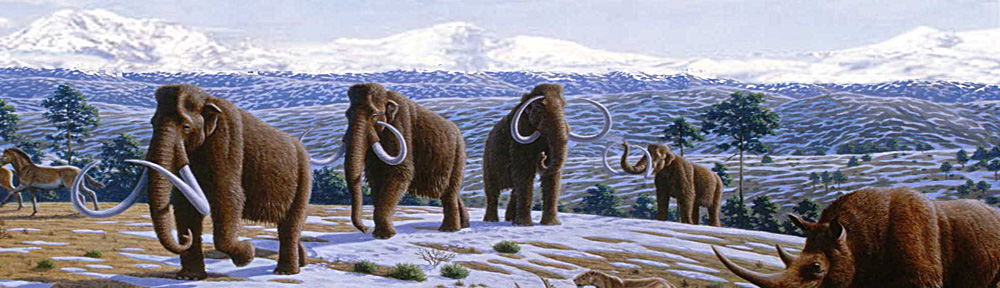
 The painting at the top of this page shows Alaska’s Wrangell Mountains and Copper River Basin as they may have been during a mild interval in the last major ice age. The foreground is excerpted from a painting by Mauricio Anton. I added the Wrangell Mountains peaks in the background. Scientists have found 30,000 year old mammoth bone in the Copper Basin.