
I invite you to conversation about my current projects, along with the intellectual and spiritual inquiry that unites them.
The projects presently include teaching strategy and tactics for policy change, telling the natural history story of an Alaska national park, engaging in wildlands management planning, and seeking improvements in medical care for complex and incurable illness. I appreciate collaborating colleagues who are specialists in each of these topics.
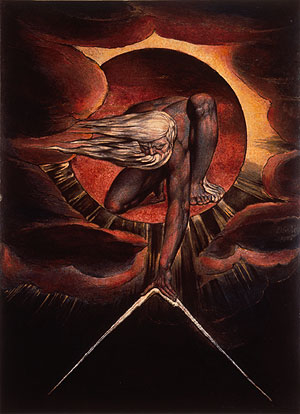
The larger inquiry centers on these questions:
>Is the cosmos organized with an inherent order, or logos? How can we understand that order? Does it have an ethical dimension? Can we influence events by blending with its power?
>How can we live well in an impermanent and unstable world reflecting this order?
>What are the relationships between contemplation and action? Specifically, what attitudes and techniques enable making a positive difference, while connecting with the transcendent and the immanent?
Presently partially complete, this website includes:
1. Blog posts, an ongoing public writer’s journal. Ideas here are tentative and very possibly wrong: a place for exploration. Comments welcome.
2. Pages on projects and main topics of inquiry. I see these as a form of publication, alongside books, journal articles, and the like. They are less permanent, but with the benefit of being easily updated. Main headings include natural history, strategic advocacy, contemplation & action, wildlands policy and healthcare. Comments also invited here.
3. Publications and other finished work, including books, book chapters, articles, public presentations, and policy memos submitted to agencies and organizations.
4. Draft documents ready for circulation, comment and use, but not yet in final form.
5. Background, including a biography and an overview of my current work.
~Ben Shaine


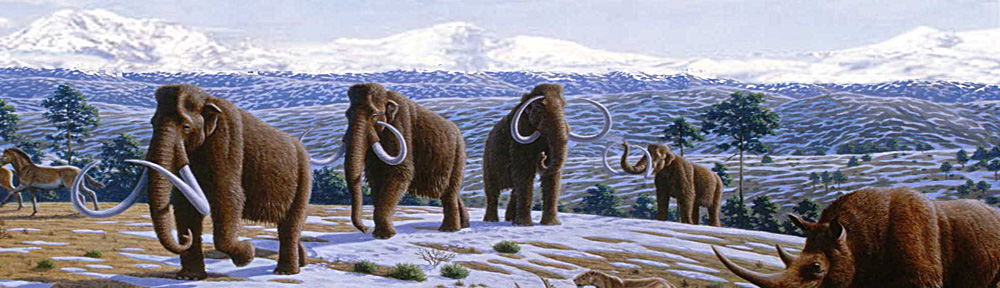
 The painting at the top of this page shows Alaska’s Wrangell Mountains and Copper River Basin as they may have been during a mild interval in the last major ice age. The foreground is excerpted from a painting by Mauricio Anton. I added the Wrangell Mountains peaks in the background. Scientists have found 30,000 year old mammoth bone in the Copper Basin.
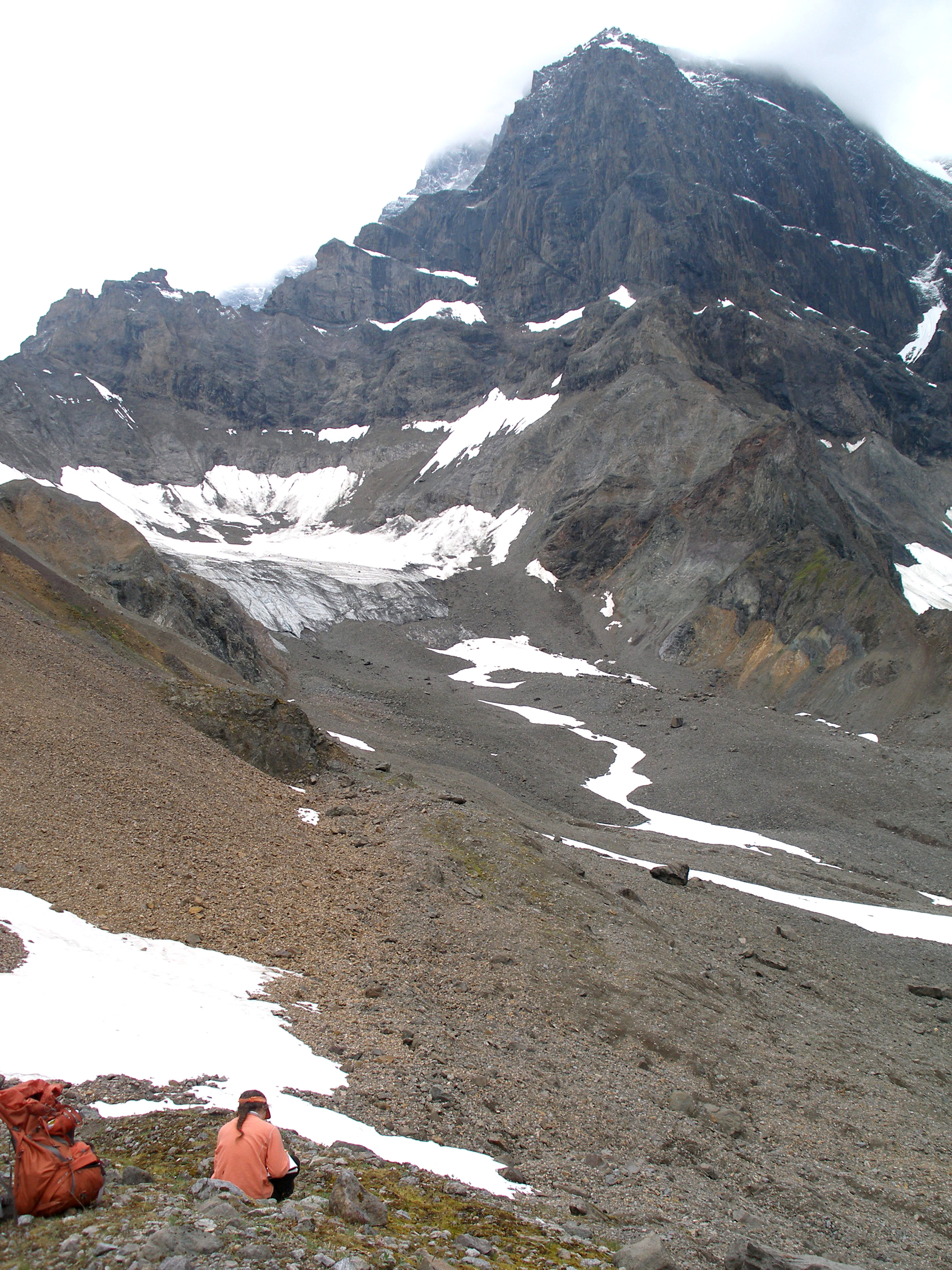
 Living on Unstable Ground